2026-06-18 · 4 min
The ground is part of the job
Some work only makes sense in a particular weather. The place is an ingredient, like skill.
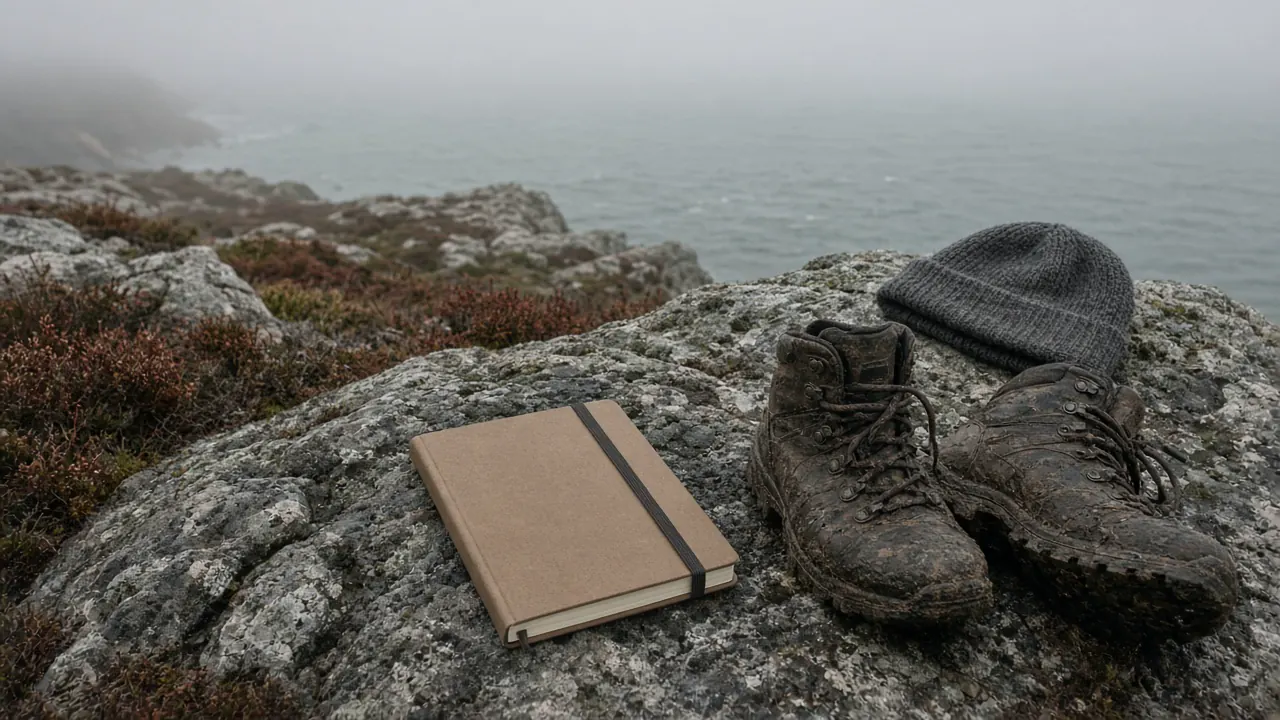
A friend who counts birds for a seasonal survey talks about jobs the way other people talk about kitchens. The work needs a dawn, a particular marsh, and a tolerance for being cold in a way that no office can simulate. Move the same attention into a windowless building and you have a different occupation, even if the spreadsheet columns keep the species names.
Place attachment, in the review by Scannell and Gifford, is the bond between a person and a place, built from emotion, knowledge, and behavior. You know a ground because you have done something there repeatedly. That is why a harbor pilot, a trail worker, a night-shift nurse on one ward, and a baker tied to one oven can sound, when they talk, as if the place were a colleague. The place answers back. Tide, flour, the way a hallway sounds at 3 a.m.
Solnit’s Wanderlust treats walking as a history of thinking, which is relevant to anyone whose best ideas arrive at a certain speed of travel. Some interests are portable. Mathematics can move apartments. Some interests include the ground in their definition. If your map keeps producing coasts, archives, or old cities, the career question is allowed to include a map of actual towns. “Where” is part of “what.”
The hard version of this is money. Place-based work is often seasonal, public, or tied to whoever owns the land. Loving a marsh does not produce a salary. It does narrow the search in a way that saves years: you can stop applying to roles that would require you to forget the marsh. You can look for the adjacent jobs that stay in the watershed: education, monitoring, repair, writing for the agency that holds the deed.
When we draw places on an Interest Map we give them the same dignity as subjects. A coastline is information about you. So is a preference for stacks and lamp light. Put the place next to the skill and read the line out loud. If the sentence only works in one region, that is a finding, as solid as any personality letter.
Sources
- Leila Scannell and Robert Gifford, “Defining place attachment: A tripartite organizing framework.” Journal of Environmental Psychology, 2010.
- Rebecca Solnit, Wanderlust: A History of Walking. Viking, 2000.